A Bit About Esther Mabry, Maker and Creator Of Esther's Orbit Room

In the process of researching this project we’ve learned a lot about the Esther, the woman, in addition what we’ve learned about Esther’s the place.
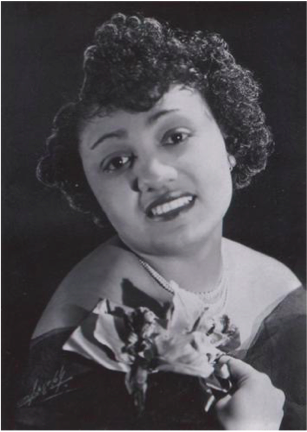
Esther Mabry, came to Oakland from Palestine, Texas--a city between Houston and Dallas--in the 1940’s. She was 22 years old. She worked as a ticket clerk for the Oakland Mole, the boat that sheparded railroad passengers from the end of the railroad line to San Francisco. Not long after she landed a job as a waitress at Slim Jenkins Supper Club on Seventh Street, one of dozens of jazz and blues clubs and other black-owned businesses that lined both sides of the bustling commercial district before BART and the U.S. Postal Service moved in and wiped most of it away.
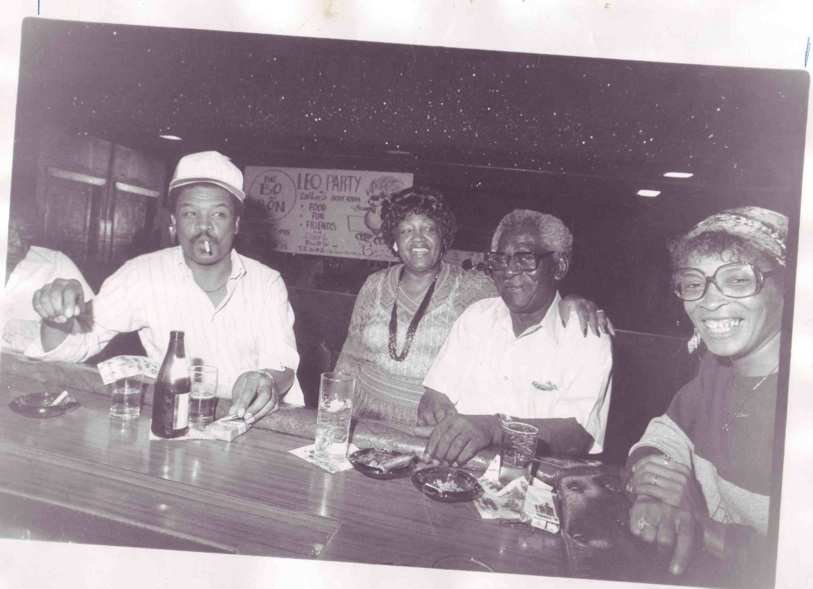
Mabry saved her tips and opened her first place, Esther's Breakfast Room, in 1950. It was a popular gathering spot for cab drivers and shift workers at the shipyards, rail yards and Alameda Naval Air Station. That's where her husband, William, worked when he first wooed her. The couple bought the building in 1959 and expanded to offer cocktails and live music in 1961. The Orbit Room opened in 1963. Esher’s Orbit Room hosted many big names in music including B.B. King, Lowell Fulson, Al Green, Tina Turner and Etta James.
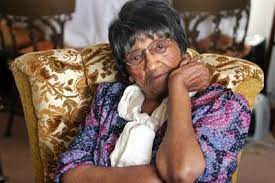
For over half a century, Esther was a neighborhood matriarch. She was active in civic life beyond the Orbit Room, and is remembered for doing “a lot for a lot of people.”*
Esther revealed in her Oral History Interview for Eternal Voices, recorded in 2002 that her greatest ambition was to “have it [West Oakland] back like it was.” In her own words:
“Oh my goodness. There used to be everything in West Oakland. Father Divine was down there feeding people, and they had the music playing, and the hot tamale man; you don’t see that no more.
And you can poke out of one club and go to another, walk from one restaurant to another when there shows and dances and churches and theaters and...and it's a drastic change is nobody down there anymore.
All kinds of people that used to come eat at Jenkin’s and come to my place to eat...all of the attorneys and the judges and doctors. They all came, and they all came down to have dinner.
Then they get big enough to go up in the hills. You know it was different. There was no place for them to go, like go to dinner cuz they was prejudiced against it. Back then, they used to be real prejudiced, you didn't want no black people coming into hotels and things..."
Esther’s was a place created by and for Black people on a corridor with other businesses created by and for Black people. Between the turn of the century and the 1950's 7th Street was a community, an economic ecosystem and a safe space for Black bodies to just be.
Esther also revealed that she contributed to a scholarship fund for average high school students. In collaboration with Pathfinders and Caltech, the fund distributed $250,000 dollars annually in $10,0000 dollar scholarships to local students whose grade point average was less than stellar. Esther sought to support the C student because she believed someone needed to look out for the regulars among us. She realized that we all deserve a chance to excel and a supportive environment in which to develop. Esther was--to borrow Noni’s words--an early hood philanthropist.
This is the spirit that we bring to the Esther’s Orbit Room Cultural Revival Project. We all deserve a fertile, well resourced place to grow from. West Oakland and the families in it should have a place to consume and create excellent culture, serendipitously run into neighbors, share an excellent nourishing meal and so much more. We’re going to create that place together at the head of 7th Street and then rinse and repeat. We heard you Ms. Mabry. West Oakland how it once was, is on the way. Support the campaign today.

photos: (bottom up) Field Office Design, East Bay Times, UC Berkeley Journalism Dept., Arts in Oakland.org, (cover) UC Berkeley Journalism Dept.
Sources: *Jay Payton in Geoffrey’s Live, East Bay Times, Eternal Voice for the African American History Library & Museum