How to reject capitalism and restore BIPOC communities
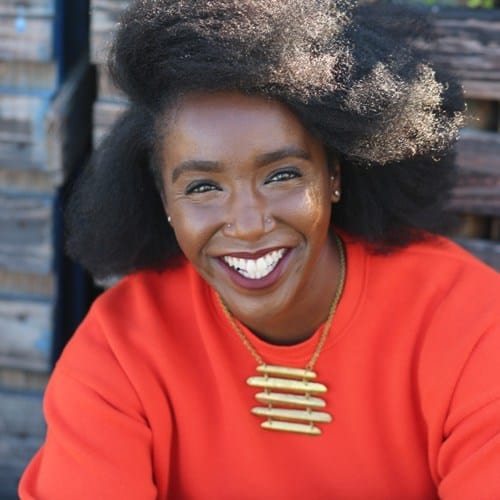
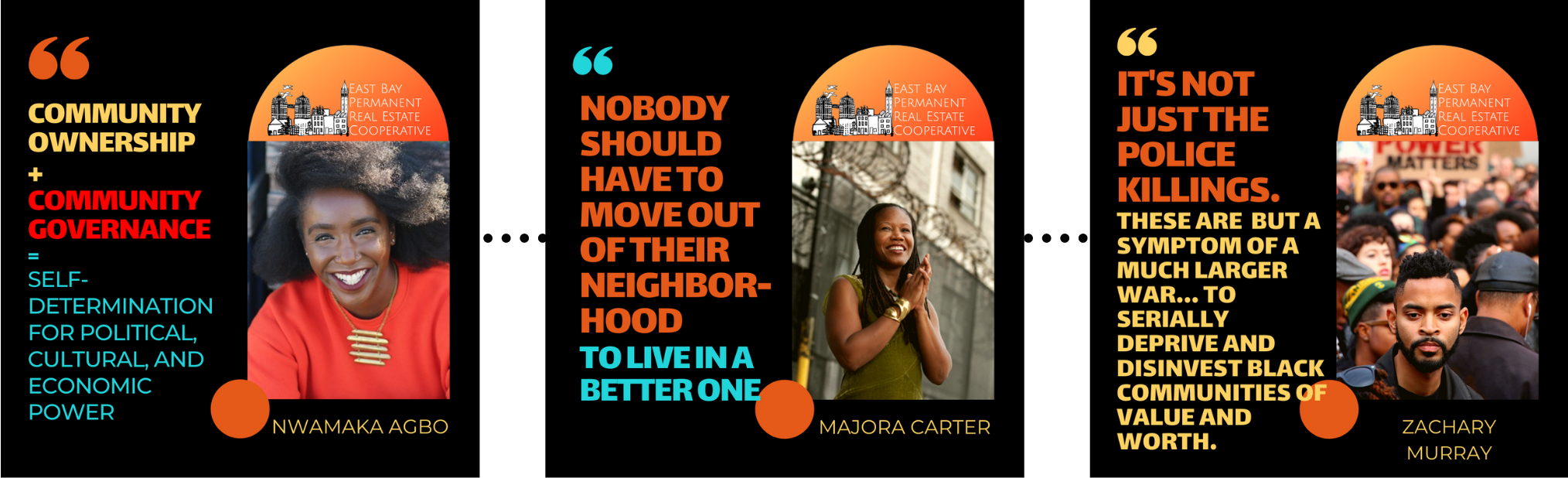
Our Community Exchange Series is an ongoing conversation between EB PREC and other BIPOC leaders who are working to reject capitalism, as we brace ourselves for the looming COVID-era recession. On our last Community Exchange Call, our guest speaker Nwamaka Agbo noted that we often jump too quickly ahead to discuss the economy without first unlearning the habits and practices of structural racism. One of these habits that we must unlearn is the practice of starting from a place that fails to acknowledge that indigenous communities have been impacted by genocide and land removal, and Black communities have been impacted by enslavement.
WHAT IS RESTORATIVE ECONOMICS? Nwamaka explains that restorative economics is very much rooted in reparations. It’s also very much rooted in a framework of restorative justice where we understand the need to acknowledge the harm that has been done to Black and Indigenous communities of color. We need to engage in a conversation about how to restore those communities and make them whole because without doing that, we continue to replicate patterns of structural racism.
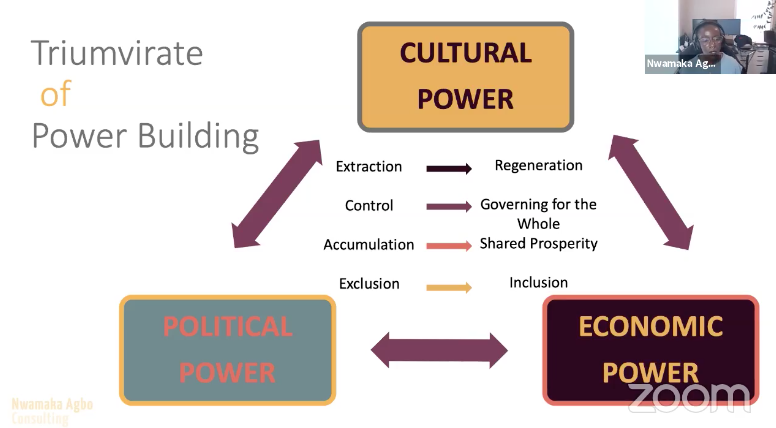
HOW DO WE BUILD POWER? While our work is about the structural and cultural shifts that need to happen, Nwamaka argues that our work also starts with the individual and interpersonal level. That’s why it’s important that we at EB PREC are creating spaces for people to come together to explore, experiment, and understand what it means to engage in land and capital in a regenerative and supportive way, rather than an extractive and exploitative way.
To learn more about restorative economic models, check out the recording of our fireside chat with Nwamaka here. Also check out the recordings of our calls with Majora Carter on Black land liberation and Zach Murray on Black indigeneity and healing.