How We Decided How To Make Decisions
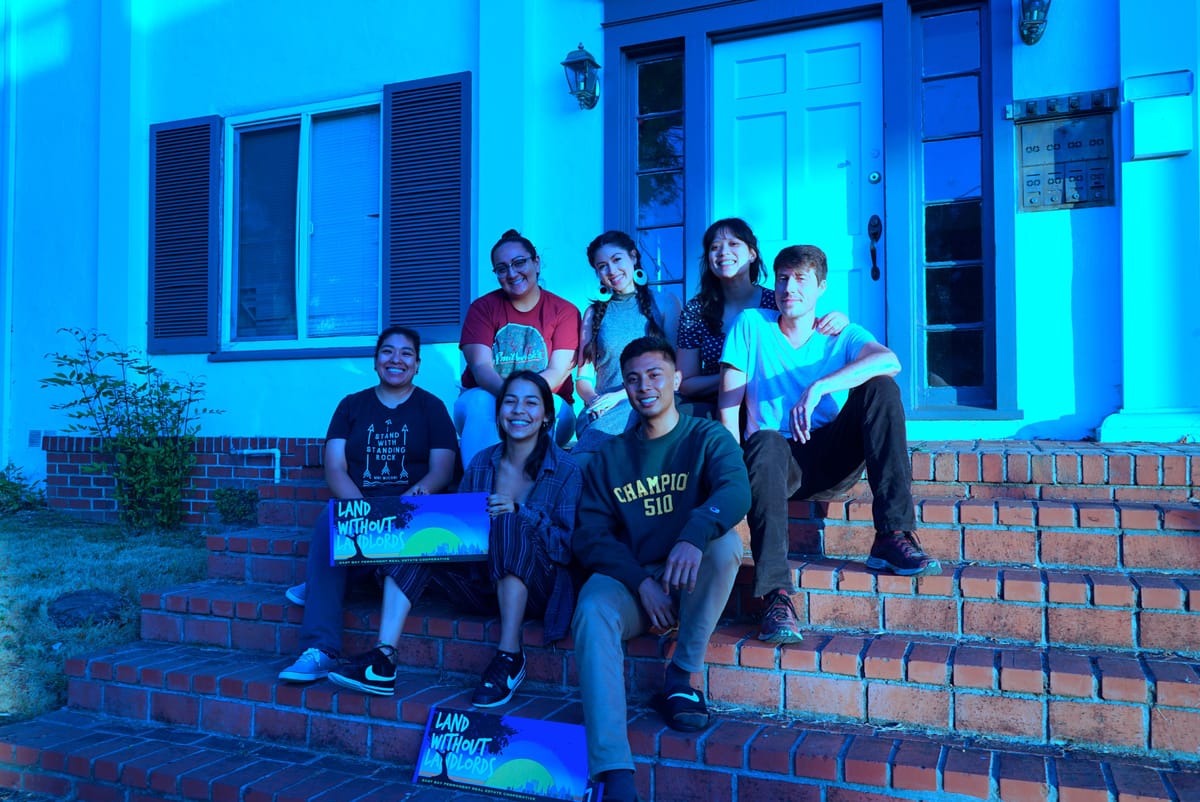
Guest Post From Coop 789 (#LandWithoutLandlords Campaign Project #1)
Written by Tia Katrina Taruc-Myers, a resident-owner of Coop 789
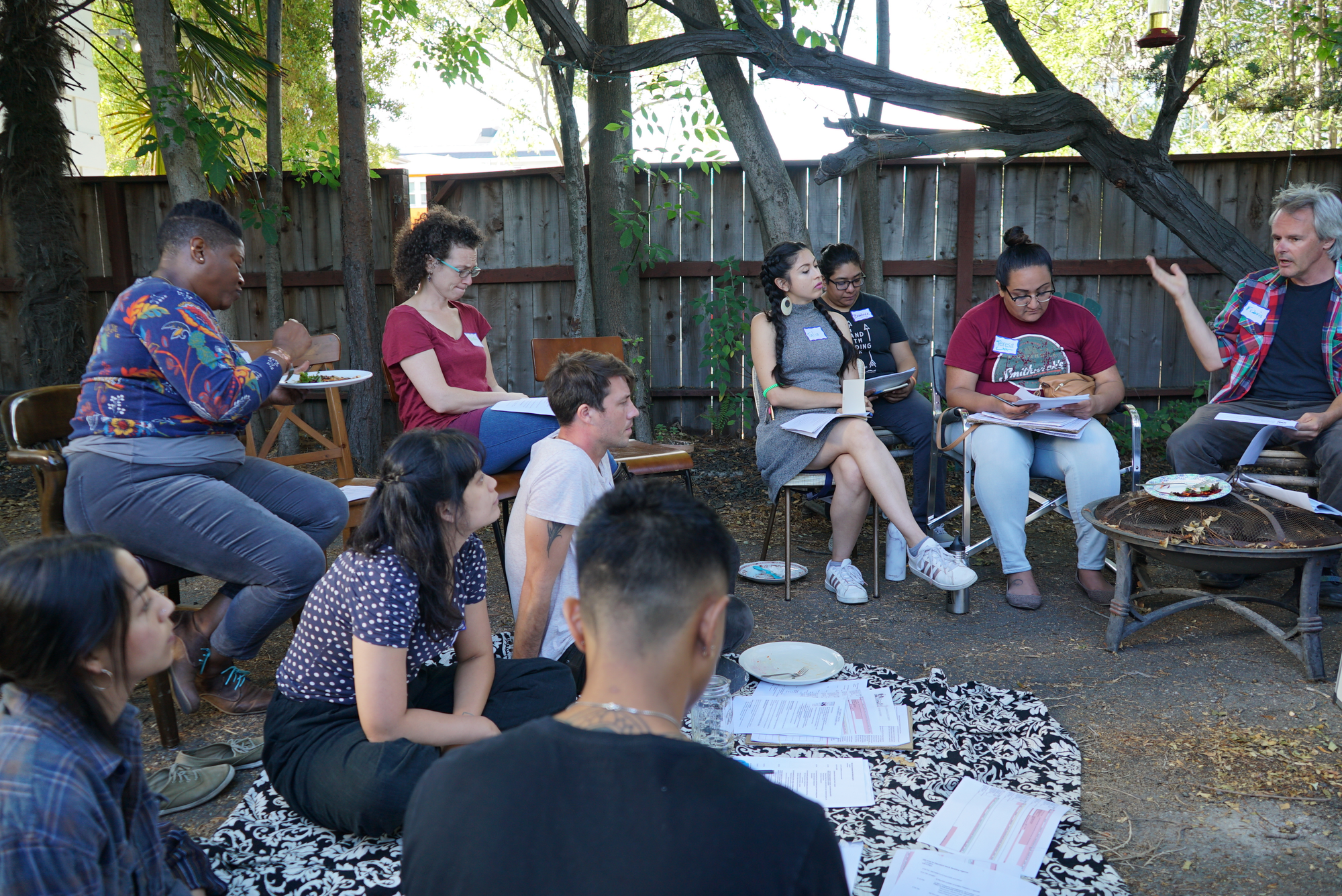
Last Tuesday, we had our very first Resident Owner meeting with the help of EB PREC and NCLT. First order of business? Deciding how to make decisions!
Below are the democratic models that we considered:
Alchemy Collective Cafe's Consensus Model
Resident Owner Christopher ("Crow") Taruc-Myers co-founded Alchemy Collective Cafe, which is a few blocks away from Coop 789! Crow told us all about how any worker-owner of Alchemy can bring a proposal to a business meeting, which would only pass if everyone registers a "yes" vote, thereby giving everyone a chance to really be heard!
Community Democracy Project's Modified Consensus Model
The Community Democracy Project is an all volunteer campaign working to turn the power structure rightside up by putting the people of Oakland in charge of the City Budget. Resident Owner Talia Alarid and I used to participate in CDP's weekly director meetings where decisions were made by "consensus minus one." That means if only one person disagrees with a certain proposal, it still passes
A Davis Housing Coop's Modified Consensus Model
NCLT staffer Francis McIlveen told us about a model in which the folks who disagree with a proposal are tasked with modifying the idea until the entire group is happy with it. This could take several rounds (and meetings!) but eventually, the proposal passes if at least 60% of the voters approve.
East Bay Permanent Real Estate Cooperative's Consent-Based Model
EB PREC's Director Noni Session described to us that if someone makes a proposal at EB PREC, then the worker-owners have a round of questions, a round of feedback, and then a round of objections. You're only allowed to object if you can say that the proposal would harm the group's mission. If even just one person objects, the proposal fails but because of the high objection threshold, this model gives most ideas a chance!
Sustainable Economies Law Center's Gradient Model for Expenditures Over $10,000
I work at the Law Center and we recently adopted the gradient model for proposals that would cost us more than $10,000. Under this model, after all questions and feedback are exhausted, everyone records their vote on a Google Spreadsheet Calculator. The options are:
- Support
- Support with minor concerns
- Neutral
- Disagree, but willing to go with majority
- Strongly disagree
- Objection
If there are any objections, the proposal fails. The proposal also fails if the median is less than three. The proposal passes if the median is equal to or greater than three. This model gives the voters a wider vocabulary of voting as compared to the "yes" and "no" votes.
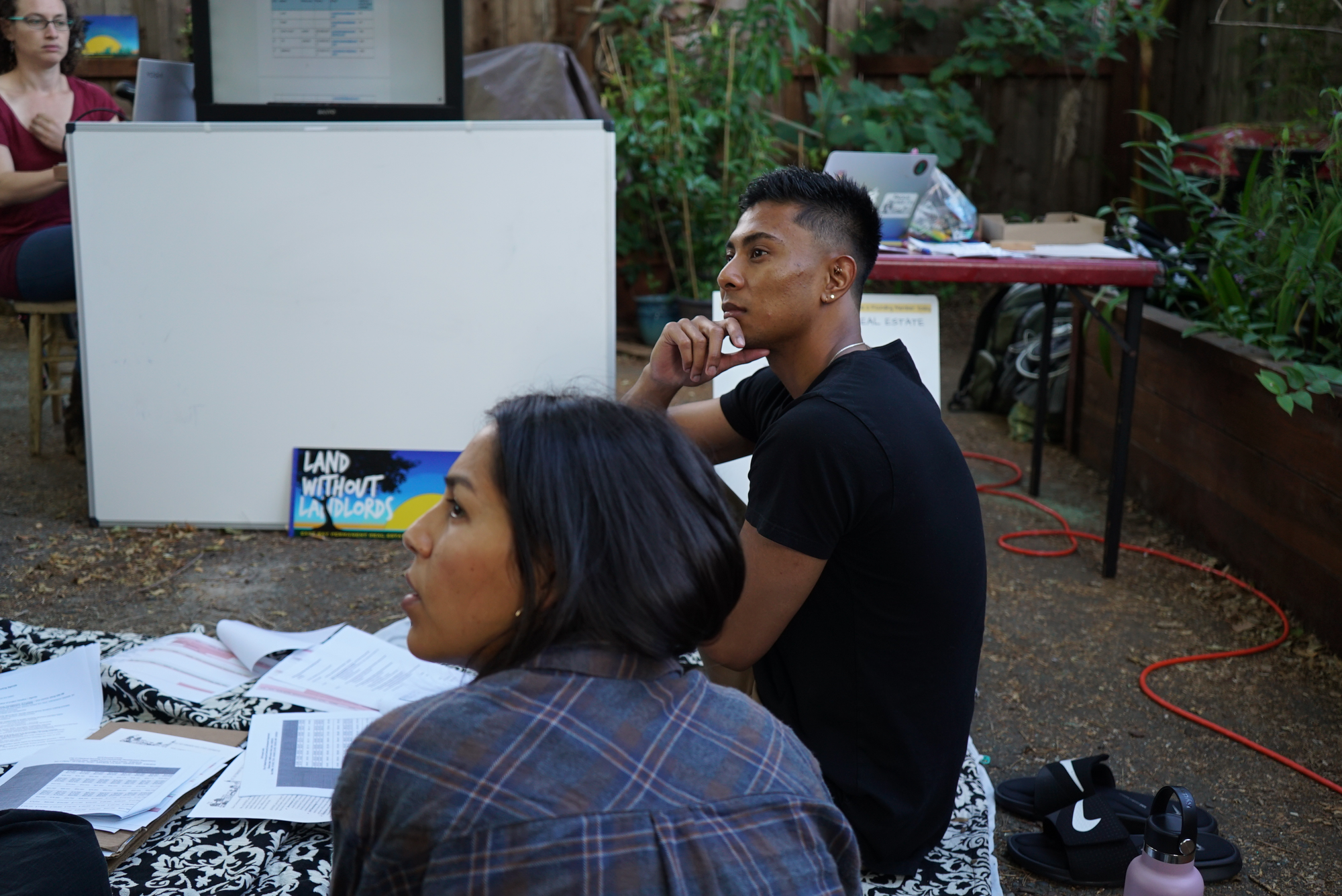
What We Chose:
Coop 789 used the Consensus Model to choose our model moving forward because we figured that this decision would really need everyone's buy-in. It took a few rounds of questions and feedback but ultimately, we got to a combination of EB PREC's Consent-Based Model and the Law Center's Gradient Model for Expenditures Over $10,000! Wish us luck! Democracy is messy but totes worth it. We'll keep you updated to let you know how it's going.
Does this group of young folks designing a democratic community inspire you in the heart-feels? Invest in EB PREC to spread this model to cooperatively lead a just transition from an extractive capitalist system into one where communities are ecologically, emotionally, spiritually, culturally, and economically restorative and regenerative!
Coop 789 needs new windows, mold removal, and other safety-related rehabilitation expenses. Help us improve the health and longevity of our first community asset by signing up as an Investor-Owner today!